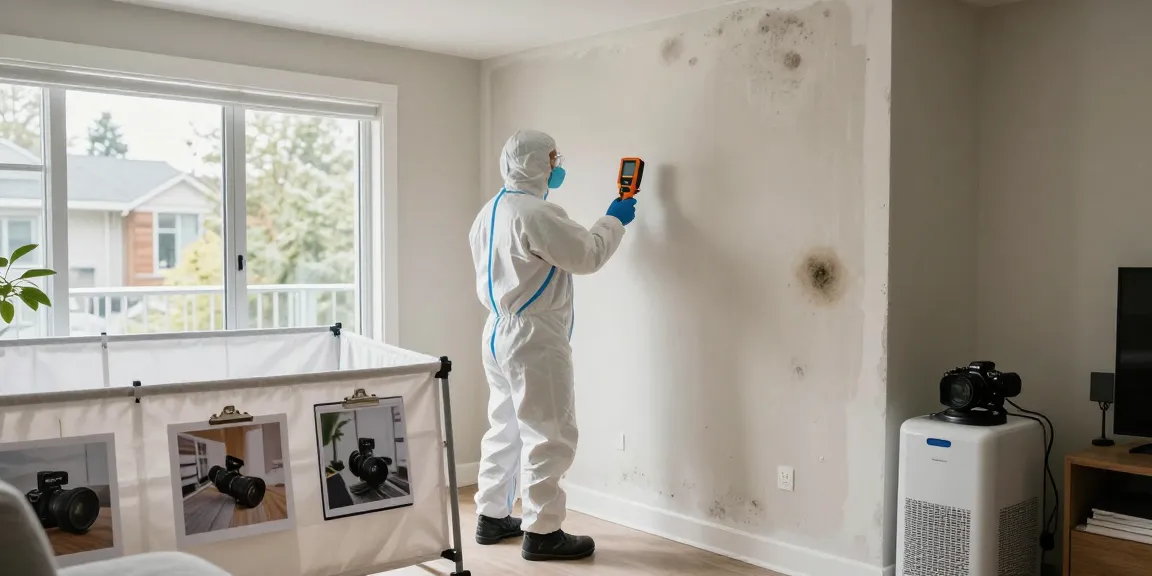
Understanding Mold Remediation North Vancouver
Mold remediation is a critical aspect of maintaining a healthy indoor environment, particularly in areas like North Vancouver, where high humidity levels contribute to mold growth. Proper mold remediation not only addresses the visible mold but also tackles the underlying moisture issues that can lead to further infestations. When exploring options, Mold Remediation North Vancouver provides comprehensive insights and professional support to ensure your home is safe and mold-free.
What is Mold Remediation?
Mold remediation is the process of identifying, containing, and removing mold from a property. This task is essential for preventing health risks and mitigating property damage. Mold spores can be found in virtually every indoor environment, and when they land on damp surfaces, they can grow rapidly. A certified mold remediation service utilizes specialized techniques to ensure that all traces of mold are eliminated, addressing both the symptoms and underlying causes of mold growth.
Importance of Professional Help
While some homeowners may consider tackling mold issues on their own, professional help is crucial. Trained experts possess the knowledge, tools, and experience to handle mold effectively and safely. They can identify the species of mold, assess health risks, and implement appropriate removal strategies. Furthermore, professionals are equipped to deal with the moisture sources that caused the mold growth in the first place, ensuring long-term solutions rather than temporary fixes.
Common Misconceptions about Mold Removal
- Mold can be completely eliminated: It’s crucial to understand that while remediation can significantly reduce mold levels, completely eradicating every mold spore is nearly impossible.
- Bleach is an effective mold killer: Many believe that bleach can remove mold permanently. However, bleach only removes surface mold and does not prevent its regrowth.
- All mold is toxic: While some mold types can produce harmful toxins, not all molds are dangerous, though they can all cause health issues if left untreated.
Identifying Mold Hazards in North Vancouver Homes
Signs You Need Mold Remediation
Recognizing the signs of mold infestation is critical for timely intervention. Homeowners in North Vancouver should be vigilant for:
- Visible mold growth: Patches of green, black, or white mold on walls, ceilings, or floors.
- Musty odors: A persistent, musty smell often indicates hidden mold.
- Water damage: Signs of previous water damage such as stains or peeling paint can hint at potential mold growth.
- Health symptoms: Increased allergic reactions, respiratory issues, or other health problems can signal a mold problem.
Where Mold Typically Hides
Mold can proliferate in various concealed areas, making thorough inspections necessary. Common hiding spots include:
- Behind drywall: Moisture trapped in walls provides a perfect breeding ground for mold.
- Under flooring: Leaks or spills can lead to mold growth beneath carpets or tiles.
- Inside attics and crawlspaces: Poor ventilation and high humidity levels make these areas susceptible to mold.
- HVAC systems: Mold can grow in ducts and vents, compromising indoor air quality.
Assessing Moisture Sources and Conditions
To effectively combat mold, it is essential to identify and address moisture sources. Common causes include:
- Roof leaks: Water intrusion from roofs can lead to mold in ceilings and upper walls.
- Improper ventilation: Areas such as bathrooms and kitchens must be ventilated to prevent moisture buildup.
- Poor drainage: Foundation leaks or inadequate drainage systems can create damp conditions conducive to mold.
The Mold Remediation Process Explained
Step-by-Step Mold Remediation Procedures
The mold remediation process typically follows a comprehensive series of steps:
- Inspection and assessment: A thorough evaluation of the property to identify mold presence and moisture sources.
- Containment: Establishing barriers to prevent mold spores from spreading during remediation.
- Air filtration: Using HEPA filters to capture airborne mold spores.
- Mold removal: Safely removing mold-infested materials and treating surfaces with antimicrobial solutions.
- Restoration: Repairing and restoring affected areas of the property.
Essential Equipment Used in Remediation
The tools and equipment utilized during mold remediation are critical for ensuring effective removal and safety. Some key equipment includes:
- HEPA air scrubbers: Devices that filter out microscopic mold spores from the air.
- Moisture meters: Instruments used to measure humidity levels and detect hidden moisture.
- PPE (Personal Protective Equipment): Gear such as masks, gloves, and protective suits to ensure worker safety during remediation.
- Negative air machines: Units that create negative pressure in the work area to prevent the spread of mold spores.
What to Expect During the Process
Homeowners undergoing mold remediation can expect a structured and thorough approach. Professionals will communicate each step of the process, from initial inspection to final cleanup. Post-remediation assessments will also be conducted to ensure mold has been effectively removed and that moisture levels are managed properly.
Preventing Future Mold Growth in Your Home
Effective Moisture Control Strategies
Preventing mold growth requires ongoing efforts to control moisture levels in your home. Strategies include:
- Regular inspections: Checking for signs of leaks and water damage can catch potential issues early.
- Improving ventilation: Ensuring adequate airflow in high-humidity areas, such as bathrooms and kitchens, can help reduce moisture.
- Using dehumidifiers: These devices can help maintain low humidity levels, especially in basements and crawl spaces.
Regular Maintenance and Inspection Tips
Regular maintenance is key to preventing mold growth. Homeowners should:
- Inspect gutters: Clean gutters regularly to ensure proper drainage.
- Check appliances: Regularly inspect appliances that use water, such as washing machines and refrigerators, for leaks.
- Seal cracks: Address any cracks in walls or foundations that may allow moisture intrusion.
Utilizing Antimicrobial Treatments
In addition to removal, applying antimicrobial treatments can help prevent mold from returning. These treatments inhibit mold growth on surfaces, providing an additional layer of protection after remediation.
Expert Insights and Future Trends in Mold Remediation
Emerging Technologies in Mold Control
As the field of mold remediation evolves, new technologies are emerging. Innovations such as mold-resistant building materials and advanced air purification systems are gaining popularity. These advancements not only help in mold prevention but also improve overall indoor air quality.
Regulatory Changes Impacting the Industry
In recent years, regulations surrounding mold remediation have become more stringent. These regulations aim to ensure that remediation practices are safe and effective, providing better protection for both the environment and residents.
Predictions for Mold Management in North Vancouver by 2026
Looking forward, the mold remediation industry in North Vancouver is likely to see increased demand due to the region’s damp climate and aging infrastructure. Enhanced training for remediation professionals and more robust health guidelines will likely evolve to address these challenges.
What is the typical cost of mold remediation in North Vancouver?
The cost of mold remediation can vary greatly depending on the extent of the mold problem, the size of the affected area, and the type of materials involved. On average, homeowners can expect costs ranging from $500 to $3,500, but severe cases may reach higher.
How can I identify hidden mold in my home?
Hidden mold can often be detected by musty odors, visible water stains, and increased allergy symptoms in residents. Conducting periodic inspections and utilizing professional services for thorough checks can help identify hidden mold before it becomes a more significant issue.
Is DIY mold removal effective?
While DIY methods may address surface mold, they rarely tackle underlying moisture issues. Professional remediation services are recommended as they provide comprehensive solutions, ensuring complete mold removal and prevention of future growth.
How long does the mold remediation process take?
The duration of the mold remediation process can vary based on the size of the affected area and the extent of the problem. Typically, remediation can take anywhere from a few hours to several days.
Can mold return after remediation?
Yes, mold can return if moisture levels are not controlled. Implementing proper maintenance strategies and addressing moisture sources is essential to prevent recurrence after remediation.