Understanding the Role of Steel Roofing Contractors
In the realm of home improvement and construction, steel roofing contractors play a pivotal role. These professionals are not only responsible for the installation of steel roofs but also bring an extensive understanding of the materials and techniques required to ensure a durable and aesthetically pleasing roof. With the increasing popularity of steel roofing due to its numerous benefits, the demand for skilled contractors in this niche is on the rise.
What Do Steel Roofing Contractors Do?
Steel roofing contractors specialize in the installation, maintenance, and repair of roofs made from steel materials. Their responsibilities encompass a variety of tasks, including:
- Assessing a building's roof structure and determining the appropriate steel roofing type.
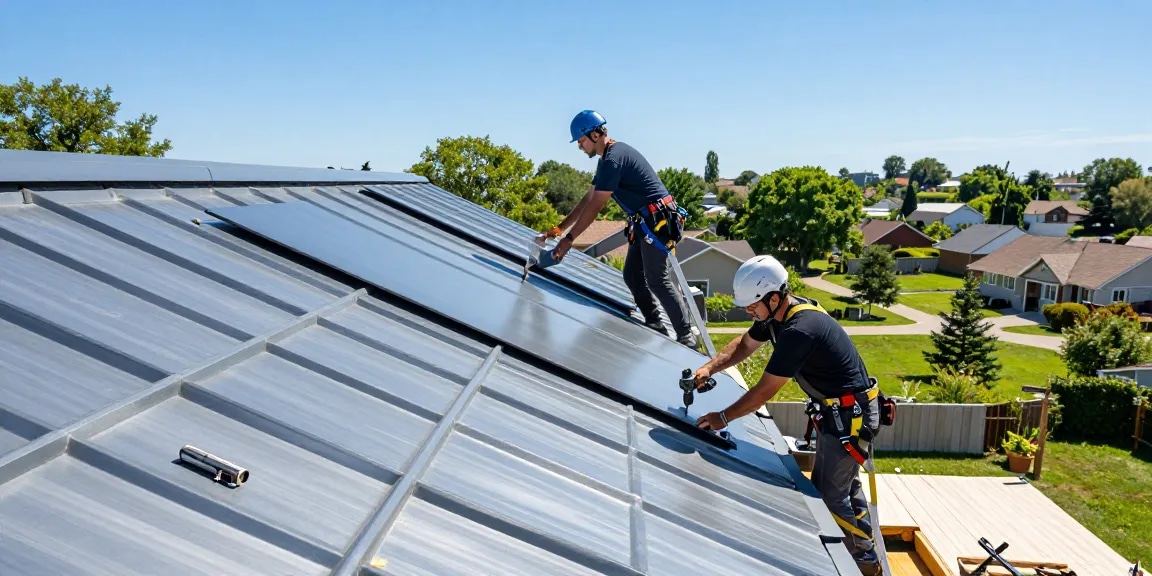
- Installing roofing systems, which may involve cutting and shaping steel panels, placing insulation, and ensuring proper ventilation.
- Conducting regular inspections to identify potential issues, such as rust or leaks, and providing timely repairs.
- Guiding homeowners in selecting the best materials based on climate, budget, and aesthetic preferences.
Essential Skills and Qualifications for Contractors
To excel in the steel roofing industry, contractors need a robust skill set and relevant qualifications, including:
- Technical Skills: Proficiency in using hand and power tools, understanding roofing materials, and applying best practices in installation.
- Physical Stamina: The ability to work at heights and endure physical labor, as roofing can be demanding.
- Attention to Detail: Precision is key in roofing; small mistakes can lead to significant issues.
- Problem-Solving Skills: Each roofing project presents unique challenges that require quick and effective solutions.
The Importance of Licensed and Insured Professionals
Hiring licensed and insured roofing contractors is crucial for several reasons:
- Safety: Licensed professionals are knowledgeable about safety standards and regulations, minimizing accident risks.
- Quality Assurance: Licensing usually requires contractors to meet specific training and competency standards.
- Liability Protection: Insurance protects both the contractor and the homeowner in case of injuries or damages during the project.
Benefits of Choosing Steel Roofing for Your Home
Steel roofing has gained popularity among homeowners for its myriad advantages, particularly in regions experiencing extreme weather conditions. Understanding these benefits can help homeowners make the right decision when considering a new roof.
Durability and Longevity of Steel Roofing
One of the standout features of steel roofing is its exceptional durability. Unlike traditional roofing materials, steel can last 40 to 70 years with proper maintenance. Its inherent resistance to elements such as wind, rain, snow, and hail makes it an ideal choice for harsh climates. Additionally, steel roofing does not crack, warp, or decay, ensuring that homeowners are making a long-term investment.
Energy Efficiency and Cost Savings
Steel roofing offers excellent energy efficiency. Many steel roofs are coated with reflective materials that help reduce heat absorption, leading to lower energy costs for heating and cooling. Homeowners can save significantly on utility bills, especially in areas with extreme temperature variations. Over time, the cost savings from reduced energy consumption can offset the initial investment in steel roofing.
Visual Appeal and Property Value Enhancement
Steel roofing comes in various styles and colors, allowing homeowners to choose options that enhance their property's aesthetic appeal. Whether opting for a modern design or a classic look, steel roofing can elevate the overall property value. Prospective buyers often view a quality roof as a significant advantage, making steel roofing a smart choice for homeowners looking to increase their home's marketability.
Challenges Faced by Steel Roofing Contractors
While the steel roofing industry is flourishing, contractors face unique challenges that can impact their work and business operations.
Weather-Related Work Delays and Solutions
Weather can be a significant factor in roofing projects. Rain, snow, or high winds can halt work and prolong project completion times. To mitigate these risks, contractors often develop contingency plans that include scheduling flexibility and choosing materials that allow for swift installation in various weather conditions. Additionally, using advanced weather forecasting tools can help contractors plan their projects more effectively.
Common Misconceptions about Steel Roofing
Several myths pervade the steel roofing industry, often leading to misconceptions among homeowners. For example, many believe steel roofs are excessively noisy during rain or hail; however, when installed correctly with proper insulation, they can be just as quiet as asphalt shingles. It is essential for contractors to educate their clients on the realities of steel roofing to eliminate these misunderstandings.
Navigating Local Building Codes and Regulations
Each municipality has specific building codes that contractors must adhere to when installing roofs. Failing to comply can lead to costly fines and project delays. Successful contractors stay informed about local regulations and often work closely with local authorities to ensure all requirements are met before commencing work.
Best Practices for Hiring Steel Roofing Contractors
Choosing the right contractor is a crucial step in ensuring a successful roofing project. Homeowners should be informed and prepared during the hiring process.
How to Evaluate Contractor Experience and Reputation
Before hiring a contractor, homeowners should research their experience and credentials. Checking reviews, ratings, and references can provide insight into a contractor's reliability and quality of work. Additionally, asking about their experience with steel roofing specifically can ensure that they have the necessary expertise.
Questions to Ask During the Hiring Process
During interviews, homeowners should engage contractors with specific questions, such as:
- What type of steel roofing do you recommend, and why?
- Can you provide a detailed estimate and timeline for completion?
- How do you handle unexpected issues during the project?
Understanding Estimates and Contracts
Estimates should clearly outline the scope of work, materials to be used, labor costs, and any potential additional expenses. Homeowners must review contracts carefully, ensuring that all agreed-upon terms are included. Seeking legal advice may also be prudent if there are uncertainties about any clauses.
Future Trends in Steel Roofing and Contractor Services
The steel roofing industry is continuously evolving, with emerging trends and technologies that will shape contractor services in the coming years.
Innovative Materials and Installation Techniques
As technology advances, so do the materials used in steel roofing. Manufacturers are developing lighter, stronger alloys and environmentally friendly coatings that enhance durability and aesthetic appeal. Moreover, advanced installation techniques, such as the use of drones for inspections, are becoming more common, allowing for safer and more efficient workflows.
Predictions for the Steel Roofing Market in 2026
Market analysts predict that the demand for steel roofing will continue to rise due to its numerous benefits, including sustainability and energy efficiency. As homeowners become more environmentally conscious, steel roofing is likely to gain favor as a recyclable and energy-efficient option, potentially leading to a surge in contractor offerings.
Emerging Technologies Impacting Contractor Workflows
Technological advancements, such as project management software and augmented reality tools for visualizing roofing projects, are paving the way for improved efficiency and customer satisfaction. Contractors utilizing these technologies can streamline their workflows, enhance communication with clients, and deliver projects more effectively.
What Are the Common Costs Involved in Steel Roofing?
The cost of installing a steel roof typically ranges from $5 to $12 per square foot, including materials and labor. Factors influencing this price include the thickness of the steel, the type of roofing panels, and the complexity of the installation. It's crucial for homeowners to obtain multiple estimates to ensure they are getting a fair price.
How Long Does a Steel Roof Last?
Steel roofs are renowned for their longevity, often lasting between 40 to 70 years, depending on the material quality and maintenance practices. Proper care, such as regular inspections and cleaning, can significantly extend the roof's lifespan.
What Maintenance Is Required for Steel Roofing?
Maintaining a steel roof is relatively straightforward. Homeowners should conduct annual inspections, clear debris, and address any rusting promptly. Regular maintenance can prevent minor issues from escalating into costly repairs.
Are Steel Roofs Noisy During Rain or Hail?
When properly installed with adequate insulation and underlayment, steel roofs can be surprisingly quiet during rain or hail. Contractors can provide recommendations on materials that minimize sound absorption to alleviate homeowner concerns.
How Can I Find Reputable Steel Roofing Contractors?
Finding reputable contractors begins with research. Homeowners can use online platforms to read reviews, request referrals from friends or family, and check for licenses and insurance. Meeting potential contractors for consultations can also help gauge their professionalism and expertise.