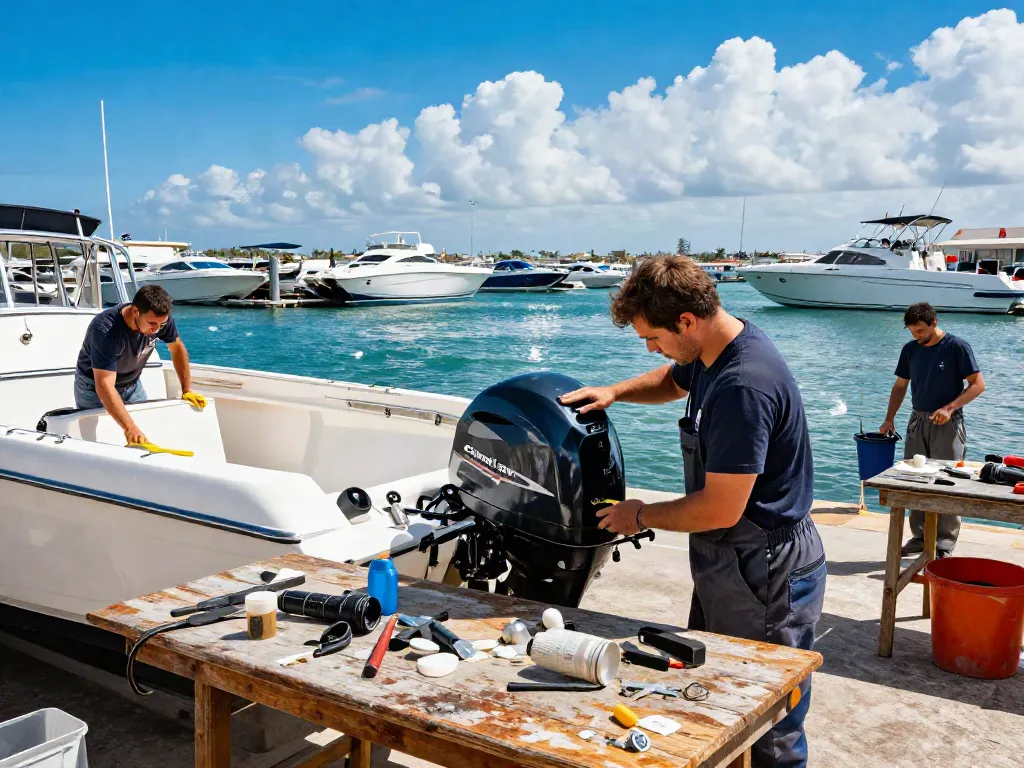
Understanding Boat Repairs
Boat repairs are an essential aspect of boat ownership, ensuring your vessel remains seaworthy and reliable for all your adventures on the water. Whether you own a sleek sailboat, a powerful motorboat, or a charming fishing vessel, understanding the intricacies of boat repairs can save you time, money, and headaches in the long run. As you delve into the world of boat maintenance, you'll discover various aspects, from common repairs to the signs indicating that your boat needs attention. When exploring options, boat repairs can be tackled effectively with the right knowledge and resources.
What are Common Boat Repairs?
Common boat repairs span a wide range, addressing both mechanical and aesthetic issues. Here are some frequently encountered problems:
- Engine Troubles: Issues with the engine can vary from minor adjustments to major overhauls. Regular checks can prevent significant failures.
- Hull Damage: Scrapes, cracks, or leaks in the hull can compromise the safety of your boat. Professional repair services often utilize fiberglass or epoxy to restore hull integrity.
- Electrical Issues: Faulty wiring or malfunctioning systems can lead to safety hazards. Diagnosing these problems early can help prevent further complications.
- Propeller and Drive System Repairs: These components are critical for boat propulsion and can wear down over time or get damaged.
- Interior and Upholstery Repairs: Wear and tear on the interior can detract from your boating experience, necessitating repairs or replacements of cushions and fittings.
Key Components of Boat Maintenance
Maintaining a boat involves various key components that help ensure its longevity and performance. These components include:
- Regular Cleaning: Keeping your boat clean helps to prevent corrosion and maintains its appearance.
- Engine Maintenance: Routine oil changes, filter replacements, and tune-ups are crucial for engine longevity.
- Safety Equipment Checks: Inspecting life jackets, fire extinguishers, and navigation lights should be part of your regular maintenance routine.
- Battery Care: Ensuring your battery is charged and connections are clean will enhance performance and reliability.
Signs Your Boat Needs Repairs
Identifying when your boat requires repairs is crucial for safe boating. Watch for these signs:
- Unusual Noises: Any odd sounds from the engine or stern drive could indicate trouble.
- Increased Fuel Consumption: If your boat starts consuming more fuel than usual, it may be time for an engine inspection.
- Water Leakage: Finding water in the hull can be a sign of a serious issue, such as a compromised hull or faulty fittings.
- Electrical Problems: Flickering lights or malfunctioning equipment indicates electrical issues that should be addressed promptly.
Cost Factors in Boat Repairs
The costs associated with boat repairs can vary significantly based on several factors. Understanding these can help you budget effectively for maintenance:
Typical Boat Repair Costs Explained
Repair costs can depend on the type, size, and make of the boat, as well as the extent of the damage. Here's a breakdown of average repair costs:
- Minor Repairs: Simple fixes like replacing a battery or cleaning the engine can range from $100 to $500.
- Moderate Repairs: More involved work, such as hull repair or electrical system repairs, can run from $500 to $2,000.
- Major Repairs: Extensive overhauls, such as engine replacements, can exceed $5,000 depending on the boat type.
Labor Rates and Parts Pricing
Labor rates for boat repairs can vary by location, with average hourly rates ranging from $75 to $150. Parts can also vary greatly based on the brand and model of your boat, impacting overall repair costs.
How to Estimate Repair Budgets
When budgeting for boat repairs, consider the age of your vessel, its maintenance history, and expected repairs. It's wise to set aside a contingency fund for unexpected expenses, typically 10-20% of your estimated repair costs.
DIY vs. Professional Boat Repairs
Deciding between DIY repairs and hiring professionals is a common dilemma among boat owners. Several considerations can guide your decision-making process.
When to Attempt DIY Repairs
Many boat owners opt for DIY repairs to save money, especially for minor issues like cleaning and routine maintenance. However, ensure you have the proper tools, knowledge, and safety precautions in place before attempting any repairs.
Benefits of Hiring Professional Services
While DIY repairs can save money, hiring professionals offers several benefits:
- Expertise: Experienced technicians can quickly diagnose and repair issues correctly.
- Warranty Protection: Professional repairs often come with warranties, providing extra peace of mind.
- Time Savings: Hiring professionals can save you time and hassle, allowing you to enjoy your boat sooner.
Comparing Costs and Risks
Weigh the costs and risks involved in DIY repairs versus professional services. While DIY can be cost-effective, improper repairs can lead to more significant issues later, resulting in higher long-term costs.
Choosing a Boat Repair Service
Selecting the right boat repair service is critical for ensuring your boat is properly maintained. Here are some factors to consider:
What to Look for in a Repair Shop
When searching for a boat repair service, prioritize shops that are certified and have a strong reputation in the community. Look for facilities that specialize in your type of boat and provide comprehensive services.
How to Evaluate Service Quality
Service quality can often be gauged through customer reviews, testimonials, and the professionalism of the staff. Ensure that the shop uses quality parts and has the necessary certifications for the work they undertake.
Reading Reviews and Ratings
Online reviews and ratings can be invaluable in helping you choose the right repair service. Look for consistent positive feedback on the quality of service, timeliness, and customer support.
Future Trends in the Boat Repair Industry
The boat repair industry is rapidly evolving, influenced by technology and changing consumer preferences. Keeping abreast of these trends can help you make informed decisions about your boat maintenance.
Emerging Technologies for Boat Maintenance
Innovations like diagnostic software, 3D printing for custom parts, and advanced materials for repairs are becoming increasingly common. These technologies can enhance efficiency and effectiveness in boat repairs.
Eco-Friendly Repair Practices
As environmental concerns grow, many repair shops are adopting eco-friendly practices, such as using biodegradable cleaners and sustainable materials. Choosing a repair service that prioritizes the environment can contribute to a healthier ecosystem.
Predictions for the Boat Repair Market
Experts predict that as the number of boat owners increases, the demand for quality repair services will rise. This trend may lead to more competitive pricing and enhanced service offerings across the industry.
What does boat repair usually cost?
The cost of boat repairs can range significantly depending on the type of repair needed. On average, simple repairs can start around $100, while more complex issues may cost several thousand dollars.
Is a 20-year-old boat still good?
A 20-year-old boat can still be a strong performer if it has been well maintained. Regular inspections and timely repairs are critical to extending the life of an older vessel.
What is the most expensive repair for a boat?
One of the most expensive repairs for a boat is often a complete engine replacement, which can cost between $5,000 and $20,000, depending on the make and model.
How can I find boat repairs near me?
To find boat repair services near you, consider searching online directories, reading local reviews, and asking fellow boat owners for personal recommendations.
What tools are essential for DIY boat repairs?
Key tools for DIY boat repairs typically include wrenches, screwdrivers, pliers, a multimeter for electrical diagnostics, and various marine-specific tools for maintenance tasks.