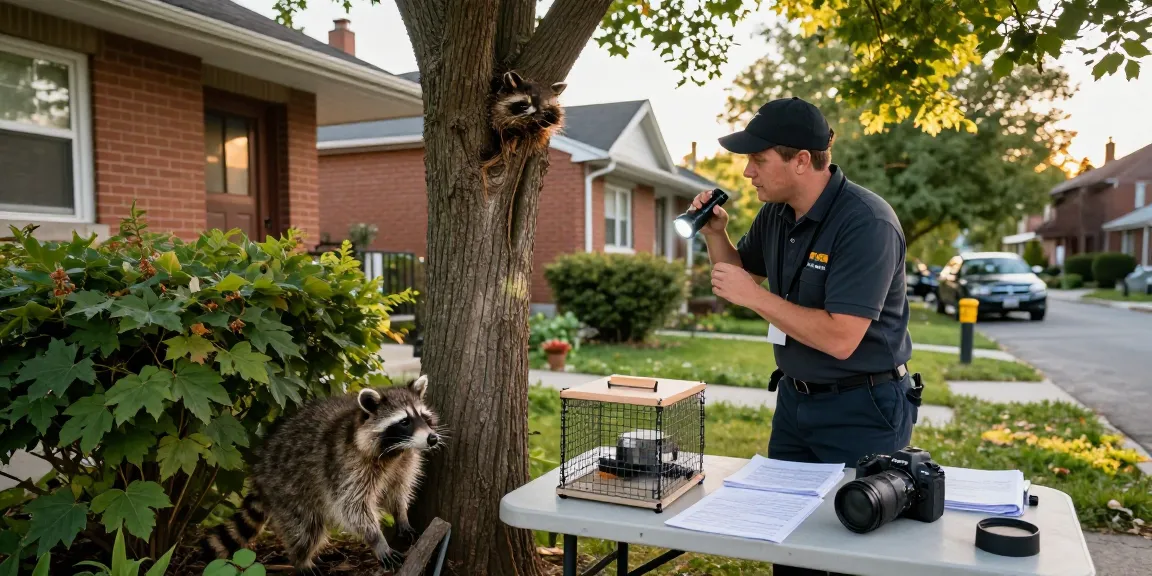
Understanding Raccoon Behavior and Risks
Raccoons are highly adaptable creatures that have successfully navigated urban environments across North America. Their nocturnal habits and dexterous paws make them particularly adept at accessing food sources and shelter, which can lead to significant conflicts with homeowners. In Toronto, the presence of these clever animals can result in property damage, health risks, and increased urban wildlife population pressures. When exploring options for management, Raccoon Removal Toronto provides comprehensive insights into the costs and methods involved in effective removal strategies.
What Attracts Raccoons to Urban Areas?
Urban areas offer raccoons a buffet of opportunities, including garbage bins overflowing with food scraps, easy access to pet food, and ample shelter in attics and basements. The following factors make cities particularly appealing:
- Food Availability: Raccoons are opportunistic feeders, often scavenging through trash or pilfering pet food left outside.
- Water Sources: Urban settings often provide easy access to water through sources like pools, decorative ponds, and standing water.
- Safe Nesting Locations: Raccoons seek refuge in urban structures where they can avoid predators and harsh weather.
Common Signs of Raccoon Infestation
Detecting a raccoon problem early can prevent more significant issues down the line. Signs of raccoon activity include:
- Bearing marks: Distinct paw prints or scratch marks around access points.
- Nocturnal Sounds: Noises coming from attics or basements at night.
- Scattered Garbage: Raccoons are notorious for rummaging through and making a mess of trash bins.
Health Risks Associated with Raccoons
Raccoons are known carriers of several diseases that pose risks to both humans and pets, including:
- Rabies: Though rare, raccoons can carry rabies, making encounters potentially dangerous.
- Leptospirosis: This bacterial disease can be transmitted through raccoon urine and contaminated water.
- Baylisascaris: A roundworm found in raccoons that can cause severe neurological issues in humans.
Humane Raccoon Removal Techniques
While it may be tempting to deal with raccoon problems independently, humane removal techniques ensure both safety and compliance with local wildlife regulations. Effective methods include:
Best Practices for Safe Trapping
Setting traps is a common method for raccoon removal. To ensure success:
- Select Appropriate Traps: Use live traps designed specifically for raccoons.
- Choose the Right Bait: Foods like peanut butter, marshmallows, or canned tuna work effectively as bait.
- Positioning: Place traps near areas where signs of activity have been noted.
Effective Deterrents for Raccoons
Preventive measures are essential in reducing the likelihood of future raccoon encounters. Consider employing:
- Motion-Activated Lights: These can scare raccoons away from your property.
- Natural Deterrents: Using scents such as vinegar or citrus can repel raccoons.
- Noise Devices: Wind chimes or ultrasonic devices can dissuade raccoons from approaching.
Legal Aspects of Wildlife Control in Toronto
In Toronto, it is crucial to be aware of the legal guidelines surrounding wildlife control. Many jurisdictions require permits for trapping and relocating wildlife. Understanding these regulations can help protect both the homeowner and the wildlife involved.
Cost Factors in Raccoon Removal Services
Understanding the costs associated with professional raccoon removal can help homeowners budget effectively. Here are some key factors:
Breaking Down the Costs of Professional Removal
Professional raccoon removal services can vary in cost based on several factors:
- Extent of Infestation: The severity of the problem affects pricing significantly.
- Location: Costs can vary depending on the geographic location and accessibility of the affected area.
- Follow-Up Services: Some companies offer warranties or follow-up checks, which can affect overall costs.
DIY vs. Professional Services: What to Consider
While DIY methods may seem economical, there are risks involved. Professional services often ensure proper techniques are employed, reducing the likelihood of injury or further infestation.
Insurance and Wildlife Control Expenses
Homeowners should check their insurance policies to see if wildlife removal is covered. In many cases, specific policies may cover expenses related to raccoon removal or damage caused by their activities.
Preventing Future Raccoon Problems
To mitigate future raccoon issues, prevention measures are key. Here are strategies for keeping your home safe:
Sealing Entry Points Around Your Home
Identifying and sealing potential entry points is essential. Raccoons can squeeze through surprisingly small openings. Common areas to inspect include:
- Attic Vents: Ensure vents are properly covered with mesh or caps.
- Basement Windows: Secure windows to prevent access.
- Roof Gaps: Check for openings where raccoons might access the roof space.
Best Landscaping Practices to Deter Raccoons
Landscaping can play a crucial role in preventing raccoon attraction to your property:
- Remove Bird Feeders: Keep feeders cleaned and removed at night.
- Limit Composting: Secure compost bins to minimize odors that attract raccoons.
- Trim Overhanging Branches: This prevents raccoons from accessing rooftops.
Community Efforts for Wildlife Management
Community involvement can amplify efforts in raccoon management. Neighborhoods can host educational seminars on wildlife management and promote collective practices to minimize raccoon visits.
The Future of Raccoon Management in Urban Settings
As urban environments continue to evolve, so too must our approach to wildlife management. Looking forward, several trends are anticipated:
Emerging Trends in Wildlife Control for 2026
The integration of technology and research into wildlife management will become increasingly important. This will include:
- Smart Trapping Techniques: Use of IoT devices to monitor raccoon activity.
- Research on Raccoon Behavior: Understanding shifts in behavior patterns will aid in effective management strategies.
- Community-Based Initiatives: Collaborative projects that promote humane wildlife interactions.
Technology’s Role in Humane Animal Management
With advances in technology, future raccoon control could involve:
- AI Monitoring Systems: These could provide real-time insights into wildlife movements.
- Automated Traps: Devices that can safely capture and release raccoons.
Case Studies: Successful Raccoon Management Initiatives
Several cities have successfully implemented innovative raccoon management strategies. These case studies highlight the effectiveness of community involvement, humane trapping, and educational outreach.
What Should You Do If You See a Raccoon?
If you encounter a raccoon during the day, it may be a sign of an issue. Keeping your distance and observing from afar is essential. If the animal appears injured or aggressive, contact local wildlife services immediately.
How Can I Identify Signs of a Raccoon Problem?
Look for nocturnal activity, scattered garbage, and paw prints around your property. Contact a professional if you suspect an infestation.
What Are the Health Risks of Raccoon Encounters?
Understanding the risks associated with direct and indirect encounters with raccoons will help you stay safe. Avoid contact and report any concerns.
Can I Remove Raccoons on My Own?
While it is technically possible to remove raccoons yourself, it is often not advisable due to the potential dangers involved. Professional removers are trained to handle these situations safely.
What Are Effective Ways to Deter Raccoons?
Implementing effective deterrents can be a proactive approach to managing raccoon populations. Focus on food sources and creating physical barriers.
